

Have you ever wondered why modified acrylic solid surfaces are becoming the go-to choice for architects, designers, and homeowners worldwide? In an era where functionality meets aesthetics, these revolutionary materials are redefining what’s possible in interior and exterior design.
Modified acrylic solid surfaces represent the perfect blend of durability, versatility, and visual appeal. Unlike traditional materials, they offer seamless integration, unlimited design possibilities, and maintenance that won’t drain your resources or time. Whether you’re planning a kitchen renovation, designing commercial spaces, or creating bespoke furniture, understanding these advanced materials could transform your project from ordinary to extraordinary.
This comprehensive guide will walk you through everything you need to know about modified acrylic solid surfaces. We’ll explore their unique composition, compare them to pure acrylic alternatives, delve into their practical applications, and reveal design possibilities that might surprise you.
What Are Modified Acrylic Solid Surfaces?
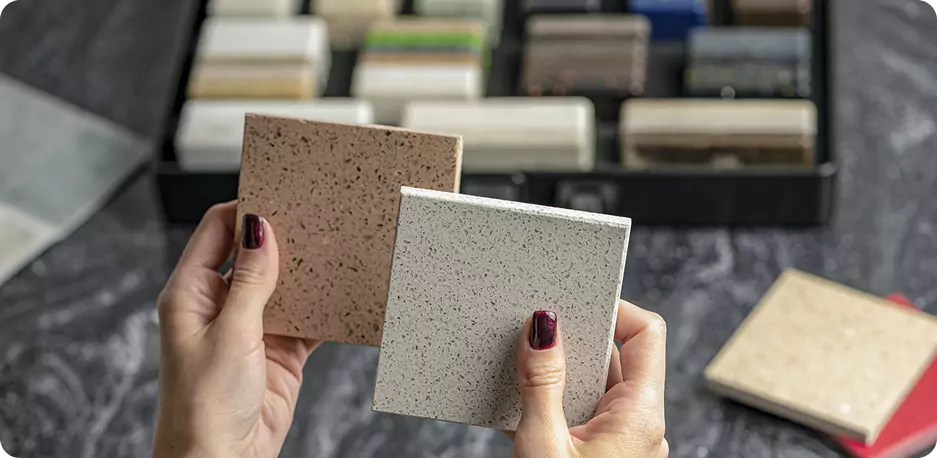
Modified acrylic solid surfaces are engineered materials that combine acrylic resin with polyester resin and mineral fillers to create a superior surface solution. Unlike their pure acrylic counterparts, these surfaces typically contain 5-8% MMA (methyl methacrylate) resin, which significantly enhances their performance characteristics.
The manufacturing process involves blending these components under precise conditions to create sheets that maintain the aesthetic appeal of pure acrylic while offering improved durability and cost-effectiveness. This careful balance results in a non-porous, seamless material that offers excellent thermoformability.
What sets modified acrylic surfaces apart is their ability to withstand greater temperature variations without cracking, making them ideal for both residential and commercial applications. The addition of polyester resin creates a more resilient surface that maintains its integrity under stress while preserving the workability that makes acrylic so popular.
The composition typically includes aluminum trihydrate (ATH) as a primary filler, which contributes to the material’s fire-resistant properties and overall stability. This combination creates a surface that’s not only beautiful but also practical for demanding environments.
Key Composition Elements
The success of modified acrylic solid surfaces lies in their carefully balanced composition. The acrylic component provides the smooth, non-porous finish and thermoformability that designers love. Meanwhile, the polyester resin adds structural integrity and impact resistance that pure acrylic alone cannot achieve.
Mineral fillers play a crucial role in determining both the aesthetic and functional properties of the final product. These fillers can be adjusted to create different textures, colors, and performance characteristics, allowing manufacturers to tailor products for specific applications.
The precise ratio of these components varies among manufacturers, but the goal remains consistent: creating a material that offers the best attributes of each component while minimizing individual weaknesses.
Read More About Guide to PU Decorative Sheets: Applications, Benefits & Design Ideas
Modified vs. Pure Acrylic: Understanding the Differences
The choice between modified and pure acrylic solid surfaces often comes down to specific project requirements and budget considerations. Modified acrylic solid surfaces often enhance their resistance to impacts, scratches, and heat compared to pure acrylic, making them particularly suitable for high-traffic areas.
Pure acrylic surfaces, composed entirely of polymethyl methacrylate (PMMA) and fillers, offer superior optical clarity and color consistency. They’re considered the premium option, particularly for applications where appearance is paramount. However, this premium quality comes with a higher price point.
Modified acrylic surfaces sacrifice some optical clarity for improved durability and affordability. Modified acrylic solid surfaces can offer similar aesthetic qualities to pure acrylic at a more accessible price point, making them an attractive option for budget-conscious projects without compromising on quality.
The thermal performance differs significantly between the two options. While pure acrylic can handle higher temperatures before showing stress, modified acrylic provides better resistance to thermal shock and sudden temperature changes that are common in real-world applications.
Performance Comparison
When evaluating performance, consider that modified acrylic surfaces typically offer better impact resistance due to the polyester content. This makes them less prone to chipping or cracking under normal use, extending their lifespan in demanding environments.
Chemical resistance varies between the two types. Pure acrylic generally offers superior resistance to certain chemicals, while modified versions may be more susceptible to some harsh cleaners. However, for typical household and commercial cleaning products, both perform admirably.
The workability of both materials is excellent, but modified acrylic can be slightly easier to fabricate due to its enhanced flexibility. This characteristic makes it particularly appealing for complex installations requiring multiple bends or curves.
|
Ready to explore how modified acrylic solid surfaces can transform your project? Our surface specialists are standing by to discuss your specific requirements and design goals.
|
Core Features and Benefits
Modified acrylic solid surfaces offer a compelling combination of features that address common challenges in surface applications. Modified acrylic solid surface countertops are renowned for their durability and resilience. Unlike natural stone materials such as granite or marble, solid surface is non-porous, making it resistant to stains, scratches, and bacterial growth.
The non-porous nature of these surfaces means that liquids cannot penetrate the material, preventing staining and bacterial growth. This characteristic makes them ideal for food preparation areas, healthcare facilities, and other environments where hygiene is crucial.
Seamless installation capabilities set these surfaces apart from traditional materials. Joints can be chemically welded to create continuous surfaces that eliminate dirt-trapping seams and create a smooth, hygienic finish that’s both beautiful and practical.
Temperature resistance is another standout feature. While they may not match the extreme heat tolerance of natural stone, modified acrylic surfaces can handle hot cookware and typical household heat exposure without damage, provided proper precautions are taken.
Durability and Longevity
The enhanced durability of modified acrylic surfaces translates to long-term value for property owners. These surfaces resist scratching better than many alternatives, and minor scratches can often be buffed out with simple maintenance procedures.
UV stability ensures that colors remain true over time, even in applications with significant sun exposure. This makes them suitable for both interior and exterior applications without the fading concerns associated with some other materials.
The thermal expansion characteristics of modified acrylic are well-understood and predictable, allowing for proper installation techniques that prevent cracking or buckling over time. This reliability is crucial for large installations or extreme climate conditions.
Maintenance Advantages
One of the most significant benefits of modified acrylic solid surfaces is their minimal maintenance requirements. Regular cleaning with mild soap and water is typically sufficient to maintain their appearance and hygiene properties.
Unlike natural stone surfaces that require periodic sealing, modified acrylic surfaces maintain their protective properties indefinitely. This eliminates the ongoing costs and inconvenience associated with maintenance treatments.
When damage does occur, repairability is a major advantage. Small scratches can be sanded out, and more significant damage can often be repaired invisibly using standard fabrication techniques, extending the surface’s useful life significantly.
Design Possibilities and Applications
The design flexibility of modified acrylic solid surfaces opens up possibilities that are simply impossible with traditional materials. One of the most sought-after qualities of solid surfacing is its formability — the design iterations are virtually endless.
Thermoforming capabilities allow these surfaces to be shaped into complex curves, integrated sinks, and custom profiles that would require multiple pieces with other materials. This seamless integration creates clean, modern aesthetics that designers increasingly demand.
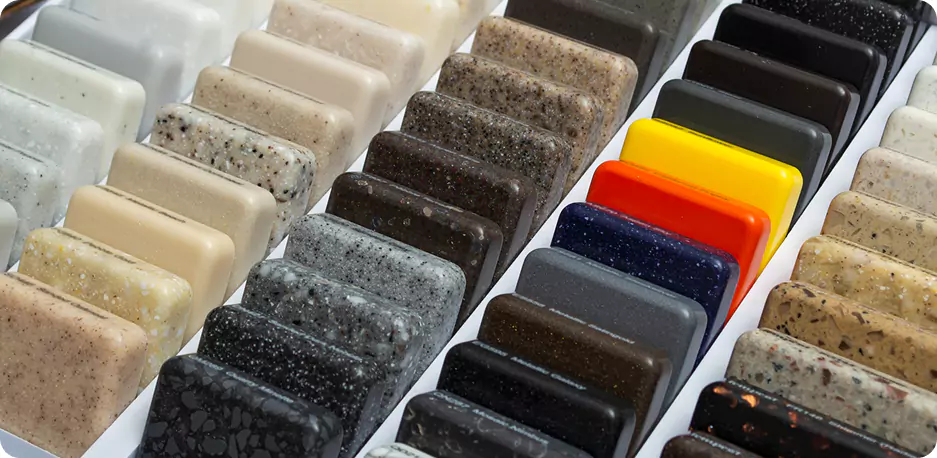
Color and pattern options have expanded dramatically in recent years. Manufacturers now offer everything from solid colors that mimic natural stone to translucent options that can be backlit for dramatic effects. Custom colors can often be created for specific projects, ensuring perfect coordination with overall design schemes.
This makes the material an excellent option for sinks, countertops, shower pans, wall dividers, workstations, backsplashes, bathtubs and numerous other designs. The versatility extends beyond traditional applications to include furniture, architectural elements, and even artistic installations.
Residential Applications
In residential settings, modified acrylic solid surfaces excel in kitchen applications. Countertops can be fabricated with integrated sinks and backsplashes, creating seamless surfaces that are both beautiful and hygienic. The ability to create complex edge profiles and custom shapes allows for personalized design solutions.
Bathroom applications take advantage of the material’s water resistance and seamless properties. Vanity tops, shower surrounds, and even custom bathtubs can be created, often as single-piece installations that eliminate grout lines and maintenance headaches.
Living areas benefit from the material’s versatility in furniture applications. Custom dining tables, entertainment centers, and architectural elements can be created to match perfectly with other surface installations throughout the home.
Commercial and Industrial Uses
It is a perfect choice for business furniture and surface products. It is resistant to stains, high temperatures, and harsh chemicals. This makes modified acrylic surfaces ideal for demanding commercial environments.
Healthcare facilities particularly benefit from the hygienic properties and easy maintenance of these surfaces. Seamless installations reduce cleaning time and eliminate areas where bacteria might accumulate, contributing to better patient outcomes and reduced operational costs.
Food service applications leverage both the hygienic properties and durability of modified acrylic surfaces. From prep areas to serving counters, these surfaces can withstand commercial kitchen demands while maintaining their appearance and performance.
Read More About Surface Design Trends 2025: Colors, Textures, and Finishes to Watch
Installation and Fabrication Considerations
Successful installation of modified acrylic solid surfaces requires understanding their unique properties and fabrication requirements. These materials offer excellent workability, allowing for on-site adjustments and modifications that aren’t possible with natural stone or other rigid materials.
The thermal expansion characteristics must be considered during installation, particularly for large surfaces or installations in areas with significant temperature variations. Proper expansion joints and fastening techniques prevent stress-related failures and ensure long-term performance.
Substrate preparation is crucial for optimal results. The supporting structure must be stable, level, and appropriate for the intended load. Unlike some materials that can bridge minor imperfections, solid surfaces will telegraph substrate irregularities, making proper preparation essential.
Adhesive selection and application techniques affect both immediate installation success and long-term performance. Manufacturers typically specify approved adhesives and application methods that ensure proper bonding and compatibility with the surface material.
Professional vs. DIY Installation
While modified acrylic surfaces are more forgiving than some alternatives, professional installation is recommended for most applications. Experienced fabricators have the tools and knowledge necessary to achieve seamless joints and proper edge finishing that define quality installations.
DIY installation may be possible for simple applications, but complex shapes, integrated features, and large surfaces typically require professional expertise. The cost of professional installation is often justified by the improved appearance and performance of properly installed surfaces.
Fabrication equipment requirements include specialized saws, routers, and sanders designed for solid surface materials. While basic tools can accomplish simple tasks, professional-grade equipment is necessary for complex fabrication and finishing work.
|
Don’t let surface selection hold back your design vision. Connect with our experts today and unlock the full potential of modified acrylic solid surfaces for your next project.
|
Maintenance and Care Guidelines
Maintaining modified acrylic solid surfaces is straightforward, but following proper procedures ensures optimal appearance and longevity. Daily cleaning with mild soap and water removes most soils and maintains the surface’s hygienic properties.
Avoid abrasive cleaners or scrubbing pads that can dull the surface finish. While these surfaces are durable, they can be scratched by aggressive cleaning methods. When necessary, use only manufacturer-approved cleaning products to avoid compatibility issues.
Heat protection remains important despite the material’s thermal resistance. Use trivets or hot pads for cookware, and avoid placing extremely hot items directly on the surface. While thermal damage is repairable, prevention is always preferable.
Regular inspection helps identify minor issues before they become significant problems. Small scratches or stains are easily addressed with simple maintenance procedures, while ignoring them may require more extensive restoration work.
Restoration and Repair
One significant advantage of modified acrylic surfaces is their repairability. Minor scratches can be removed using fine abrasives and polishing compounds, often restoring the surface to like-new condition.
Deeper scratches or small chips can be repaired using matching material and standard fabrication techniques. These repairs, when properly executed, are virtually invisible and restore full functionality to the surface.
For extensive damage, sections of the surface can be removed and replaced, or the entire surface can be refinished. This capability provides long-term value that isn’t available with many alternative materials.
Conclusion
Modified acrylic solid surfaces offer the perfect balance of beauty, performance, and versatility for today’s design needs. They combine exceptional design flexibility, seamless installation, minimal maintenance, and outstanding repairability—ensuring your surfaces look and perform like new for years. From kitchens and workspaces to healthcare environments, these surfaces adapt to any setting while supporting sustainable and long-lasting design.
Their value extends far beyond the initial investment, thanks to reduced upkeep, easy restoration, and impressive longevity. As manufacturing innovations continue, the possibilities for design and function will only expand. Discover our range of Modified Acrylic Solid Surfaces and contact us to start transforming your space today.